How to actually enjoy summer as an introvert
Summer isn’t an extrovert season. You’ve just been sold someone else’s version of it. Here’s how to build your own — and actually look forward to it.
 By Alex · Quietly Brilliant
“Summer is the only season where solitude requires a defence. Nobody asks why you stayed in during February. But sit alone in a garden in July and suddenly you owe the world an explanation.”
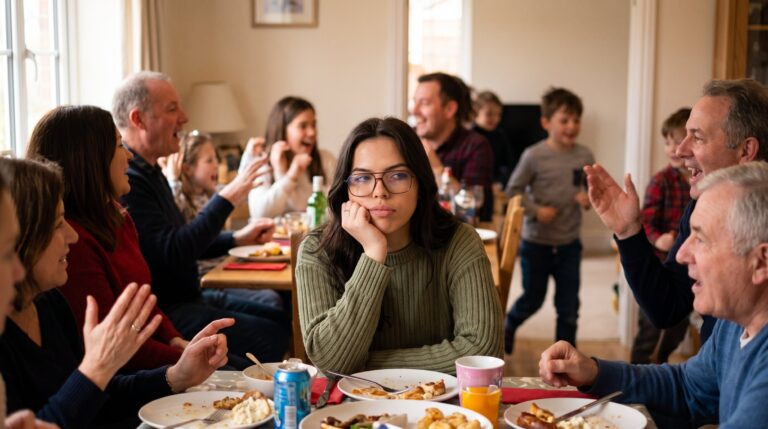
It’s Saturday afternoon. The group chat fired at noon — someone’s garden, bring drinks, come now. You’re standing at a BBQ you didn’t particularly want to attend, holding a drink you don’t especially want, watching everyone around you be effortlessly spontaneous. They arrived and immediately found their people and their volume. You arrived and immediately started calculating how long is long enough before leaving is acceptable. The food is good. The weather is perfect. And you are, very quietly, exhausted by all of it.
This is not a summer problem. This is a version-of-summer problem. The one that got sold to everyone — loud, spontaneous, relentless, social — was never built for you. And the introvert who keeps trying to enjoy it on those terms keeps arriving at September depleted, wondering why the best season of the year felt like something to survive rather than inhabit.
Here is the reframe: summer is actually one of the best seasons for introverts. The long light, the warmth, the ease of being outside alone, the natural slowing of pace — all of it is deeply compatible with how introverts thrive. The problem isn’t summer. It’s the cultural script about what summer requires. And that script is optional.
Why summer feels harder than it should — for introverts specifically
Every season has a social pressure attached to it, but summer’s is the most total. In winter, staying in on a Friday night is unremarkable. In summer, the same choice requires explanation. The weather is good. People are making plans. The days are long. Why would you want to be alone? The introvert who would have been left in peace in February finds themselves in August justifying preferences that haven’t changed — they’ve just become socially inconvenient.
The spontaneity problem
Summer rewards spontaneity in a way that winter doesn’t. The weather is good today — plans form in the morning for the afternoon, invitations arrive with a two-hour window, the group WhatsApp ignites at noon with an impromptu plan that everyone is expected to either join or explain their absence from. For the introvert who needs lead time to prepare for social contact — who does their best in situations they’ve had a chance to mentally arrive at — this pace is inherently draining. It isn’t inflexibility. It is the genuine cost of being pulled into social situations without the preparation that makes them manageable.
The visibility problem
Summer moves social life outdoors, and outdoors is harder to exit. A party in someone’s house has rooms, corners, kitchens — natural spaces where an introvert can decompress briefly without making a statement. A garden, a beach, a park has none of these. The introvert at the outdoor BBQ is visible from every angle, for the entire duration, with no structural escape route. The social performance tax is higher, the recovery options during the event are fewer, and the cumulative cost by the end of a summer afternoon is often significantly more than the equivalent indoor gathering would have produced.
The FOMO pressure
Summer is heavily documented. The group photos, the Instagram stories, the shared memories that people will reference for the rest of the year — all of it creates a particular pressure to be present for as much of it as possible. The introvert who skipped the festival, who left the beach early, who didn’t make it to the villa holiday sits slightly outside a shared narrative that their social group is building. That’s a real social cost. And it produces a specific guilt: not just the guilt of declining in the moment, but the quieter guilt of having been absent from something that became a story.
The actual problem
None of these pressures are about summer itself. They’re about the social performance that gets layered on top of it. The warmth, the light, the slow long evenings — none of that requires an audience. The introvert who separates summer-the-season from summer-the-social-obligation finds something quite different waiting on the other side of that distinction.
The introvert summer advantage — what the season actually offers
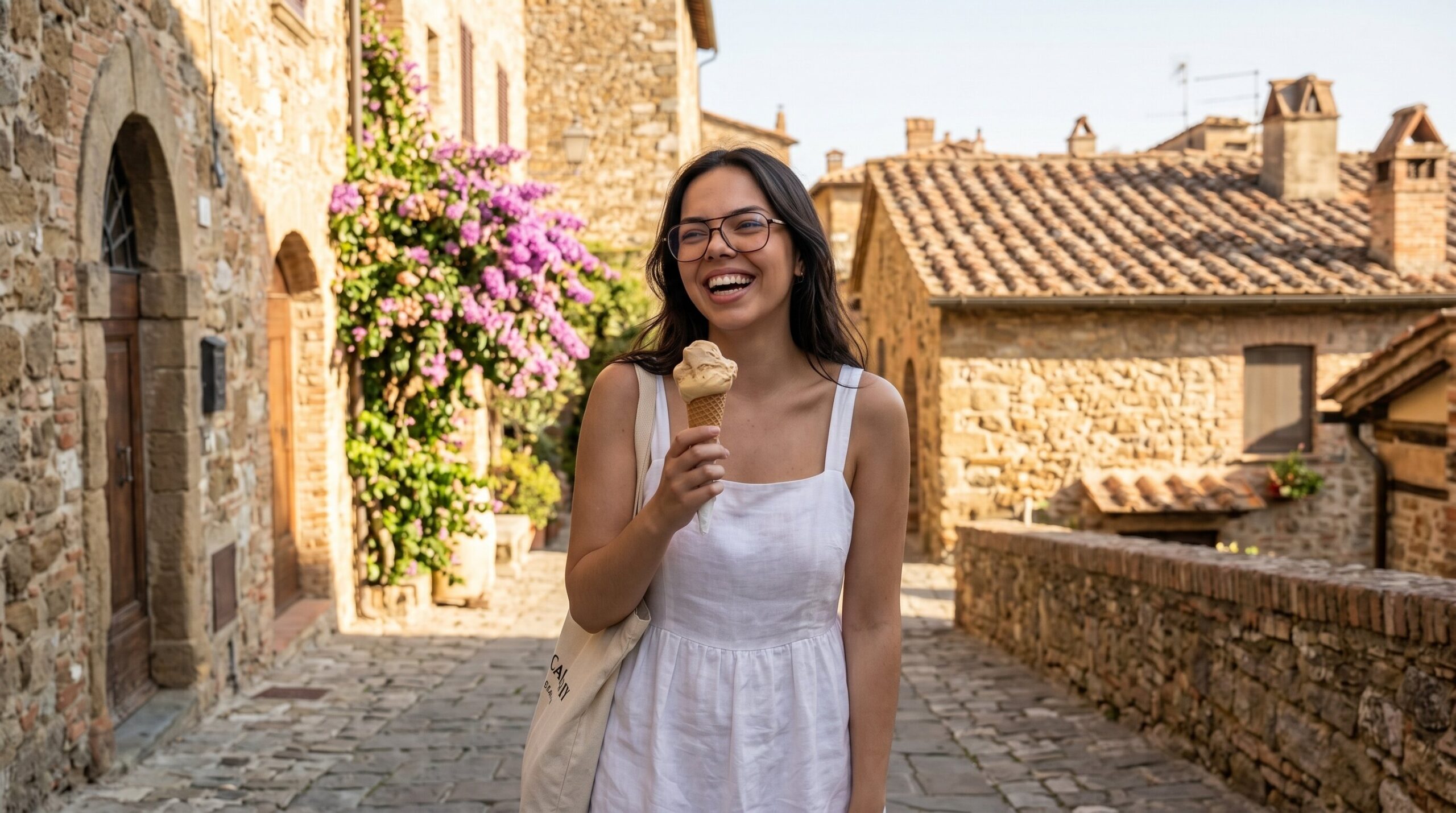
Strip away the social script and summer has a remarkable amount in it for introverts specifically. The long mornings before the heat and the crowds arrive. The particular quality of late evening light when everyone else has gone home and the garden is finally quiet. The ease of reading outside for three hours without it seeming unusual. The way a warm evening walk alone — no headphones, no destination — produces a quality of thinking that the rest of the year doesn’t quite match. Swimming alone in early morning water that’s still cold. A coffee in a quiet corner before the café fills up. These are not consolation prizes for introverts who can’t manage the real version of summer. They are the real version of summer — accessed by people who know how to be still enough to receive them.
The introvert’s natural strengths — depth of attention, comfort with solitude, capacity for slow and absorbing experience — are perfectly suited to the season’s actual gifts. The problem is that those gifts require quiet to access, and the social version of summer actively crowds them out. The introvert who protects access to them — deliberately, without apology — finds that summer becomes a season they genuinely look forward to rather than endure.
“The introvert who builds their own summer rather than borrowing someone else’s usually ends up with the better one.”
— Alex, Quietly BrilliantEarly morning is yours
The single most underrated introvert summer strategy is the early morning. Before 8am in summer — especially in June and July when the light arrives before most people are awake — the world belongs to the introvert. The park is empty. The streets are quiet. The coffee shop has two people in it. The beach, if you’re near one, is genuinely still. An hour of this before the day’s social demands begin is worth three hours of recovery at the end of it. The introvert who builds a consistent early morning practice in summer is essentially banking restorative quiet time at the start of every day, which changes the energy balance of everything that follows.
Solo travel hits differently in summer
A solo trip in summer — even a short one, even just a long weekend somewhere warm — is one of the purest introvert experiences available. You move at your own pace. You eat when you’re hungry, not when the group decides. You spend three hours in a place that captivates you and fifteen minutes in one that doesn’t. You don’t manage anyone else’s needs or energy or mood. The pleasure of it is not the absence of other people — it’s the presence of complete autonomy, which is what introverts are at their best in. If you’ve been putting off solo travel because it seems lonely or indulgent, it isn’t either. It’s yours.
Managing the social season — strategies that actually work
The goal isn’t to avoid summer socialising entirely. It’s to engage with it on terms that don’t leave you depleted for three days after every weekend. The difference between summer feeling manageable and summer feeling relentless usually comes down to a small number of deliberate choices.
The introvert who tries to match the social pace of the most extroverted person in their group will be exhausted by July. Instead: be selective. One genuinely good summer plan per weekend, done properly and with people you actually want to be with, is worth four obligatory ones you spent managing your own depletion through. Fewer things, more present for each of them. This isn’t antisocial — it’s the condition under which you’re actually good company rather than quietly enduring.
Know when you’re leaving before you get there. Not as an escape plan born of anxiety, but as a genuine energy management decision made in advance rather than in the moment when you’re already depleted and less able to make it cleanly. “I’ll be there from four until seven” is not a limitation — it’s how you show up well for the time you’re there rather than half-present for the whole thing. Most people, given a clear window, will be glad you came. The introvert who tries to stay until everyone leaves often leaves everyone with a worse version of them than the one who arrived.
You agreed to Sunday brunch at the time because Saturday felt fine. By Sunday morning it doesn’t feel fine — the BBQ took more than you budgeted for, and what you actually need is two hours of quiet before you’re ready to be a person again. But the brunch is in the diary and cancelling feels worse than going. So you go. And you spend the rest of Sunday recovering from both. The fix is simple and requires doing it once before it becomes obvious: the morning after a social event is recovery time, and it needs protecting in advance — not as an afterthought on the morning itself when you’re already depleted and less able to make the call cleanly. If Saturday has something in it, Sunday morning belongs to you. Schedule around it, not over it.
The introvert who spends all summer responding to other people’s plans and saying no to things they don’t want rarely ends up with a summer they remember fondly. They end up with a summer of managed obligations punctuated by recovery. The fix is to put something in the diary that is genuinely yours — a solo trip, a reading week, a specific thing you’ve been wanting to do — and protect it with the same energy you’d protect a plan you made with someone else. You are someone. Your summer counts.
Build a life that actually fits how you’re wired
The Field Guide covers introvert energy, how to protect it across the seasons, and how to stop spending the whole year adapting to everyone else’s pace. Free, straight to your inbox.
Saying no in summer — without the guilt spiral
Declining summer plans carries a specific social weight that declining winter plans doesn’t. “I don’t feel like going out tonight” in February is received as reasonable. The same sentence in August, when the sun is still up and everyone is making plans, carries an implication: that you are either unwell, antisocial, or doing summer wrong. The introvert who declines summer plans often spends more energy managing the guilt and the explanations than the plan itself would have cost.
You don’t owe summer your presence
The cultural pressure to be visibly enjoying summer is real but it isn’t obligatory. Other people’s plans are not a standing invitation for your energy. The BBQ that happens every weekend is not a recurring obligation just because it’s recurring. The group chat that lights up on Saturday morning with spontaneous plans is not a summons. Declining is not a failure to participate in summer — it is a decision about how to spend your finite energy, made by the person who knows best what it costs and what it restores. That person is you.
The one-line decline
Over-explaining a decline makes it worse. It invites negotiation, it communicates that the reason is the problem rather than the preference, and it often produces the guilt spiral that makes the next invitation harder to navigate. The introvert who has internalised “I’m going to sit this one out” as a complete sentence — no elaboration, no apology, no suggestion that they might reconsider if the plan changed — finds declining significantly less costly than the one who treats every no as something requiring a defence. Warmth, brevity, no further detail. Most decent people will accept it. The ones who won’t are giving you useful information about the friendship.
The introvert summer worth having
The summer that most introverts are actually capable of having — and would genuinely enjoy — looks different from the cultural template. It is quieter. It is more deliberate. It has more mornings in it and fewer midnight arrivals home. It probably involves at least one thing done completely alone, in a place that matters, without a schedule. It involves some social contact that is genuinely wanted rather than obligatorily attended. And it involves a version of yourself who arrived at September not depleted and relieved that it’s over, but actually rested — because you spent the warmest months of the year doing things that restored you rather than things that cost you.
I know what the difference feels like. I’ve had both versions.
What this actually looks like
I had a summer a few years ago where I said yes to almost everything. Every BBQ, every plan, every weekend away. I arrived at September completely empty — not tired in the way that a good rest would fix, but depleted in a way that took weeks to clear. I had been present for almost none of it in any meaningful sense. I was managing my energy in real time through all of it, performing availability I didn’t have.
The following summer I did something different. I put two things in the diary that were genuinely mine — a solo weekend in a place I’d wanted to visit, and a recurring Sunday morning walk that I protected like an appointment. Everything else I was more selective about. I said no more often. I left earlier. I spent more mornings outside before anyone else was awake. That summer I actually remember. Not as a collection of events I attended but as a season I genuinely inhabited.
Common questions: introverts and summer
Why does summer feel overwhelming for introverts?
Because summer removes the cultural permission to stay in. In winter, a quiet evening at home is unremarkable. In summer, it requires explanation. The social pressure intensifies — BBQs, group holidays, festivals, spontaneous plans — and the introvert who doesn’t match the season’s energy is made to feel like they’re doing summer wrong. They aren’t. They’re doing someone else’s summer wrong.
How can introverts enjoy summer without burning out?
By building their own version of it rather than adapting to everyone else’s. This means protecting early mornings and solo time before the social demands begin, choosing quality over quantity in plans, building recovery time between events rather than treating the whole season as one continuous obligation, and giving themselves genuine permission to decline things that cost more than they give.
Is it normal for introverts to feel drained in summer?
Completely. Summer concentrates social pressure in ways that other seasons don’t — longer days, outdoor socialising that’s harder to exit, group plans that are difficult to decline without seeming antisocial. The introvert who feels more depleted in summer than winter isn’t doing anything wrong. They’re experiencing the real cost of a season whose social script was designed for a different kind of person.
What does a good summer actually look like for an introvert?
Usually quieter than the cultural template, and significantly more deliberate. Early solo walks before the heat and the crowds. A holiday that has space built into it rather than being wall-to-wall activity. Evenings that end when you want them to rather than when the group does. A season shaped around what actually restores you rather than what you think you should be doing.
Build your summer. Not theirs.
The Field Guide covers introvert energy, how to protect it in every season, and how to stop spending the warmest months of the year managing someone else’s pace.
Keep reading
More things nobody tells introverts
📍 Situational
The introvert’s guide to group holidays
Trapped with people 24 hours a day in a villa with no exit. Here’s how to actually survive it — and maybe even enjoy it.
Read it → 9 min📍 Situational
Everyone’s having the best summer. You’re just trying to survive it.
On BBQs, social guilt, and the quiet right to be somewhere else.
Read it → 8 min